Recognising Dignity, Rights and the Realities of Migration
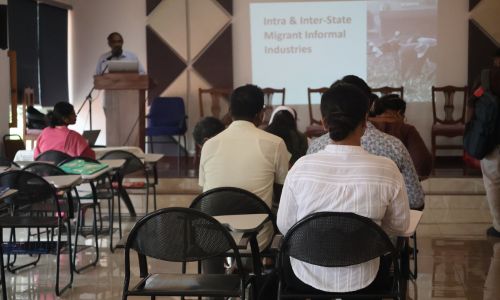
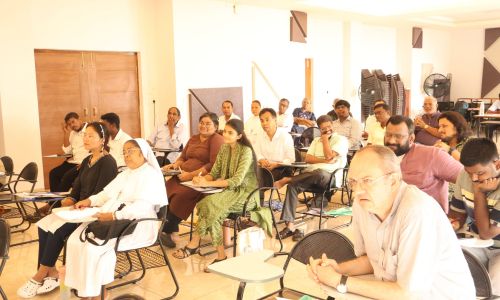
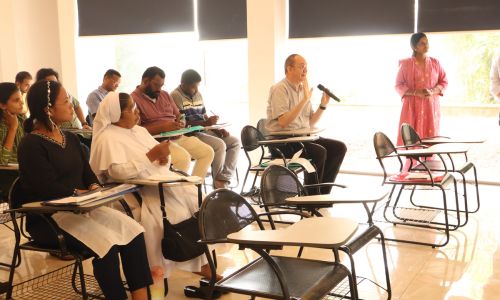
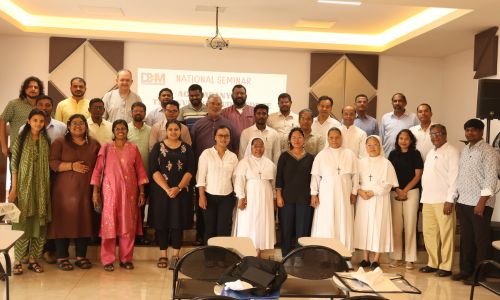
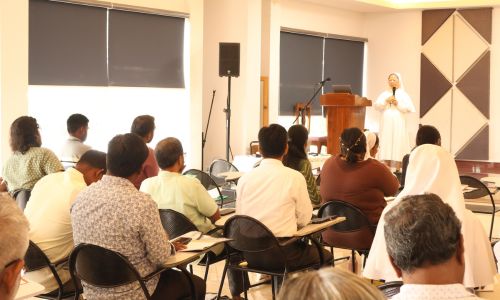
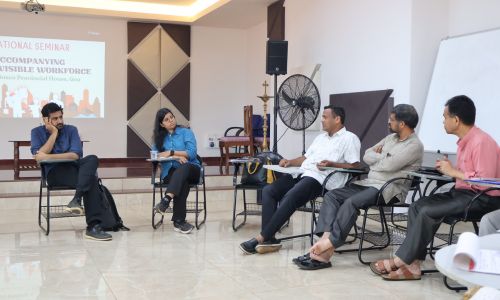
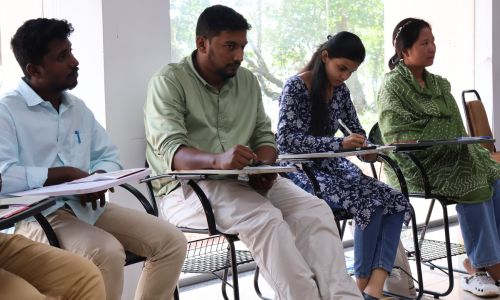
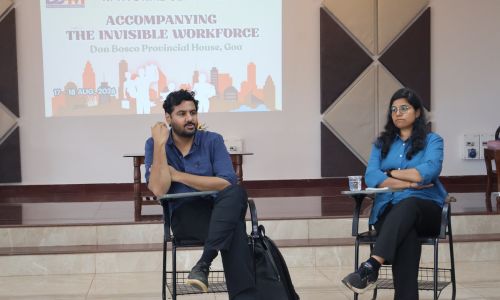
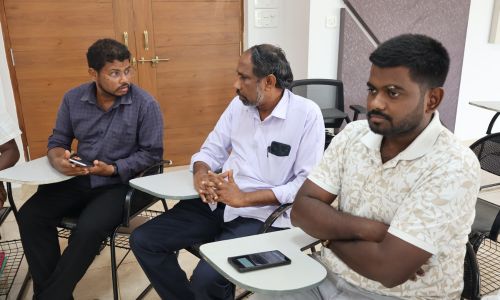
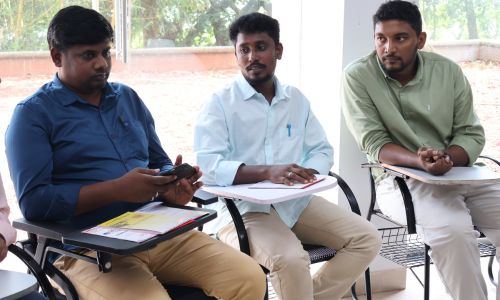
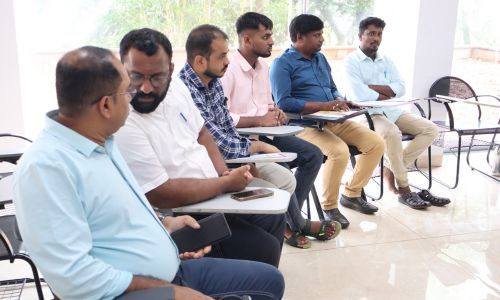
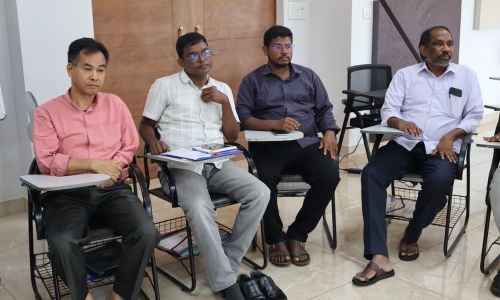
The National Conference on the Invisible Workforce brought together Salesian leaders, migration practitioners, researchers and development partners for two days of reflection, research, dialogue and sharing of experiences concerning migrant and vulnerable workers in India.
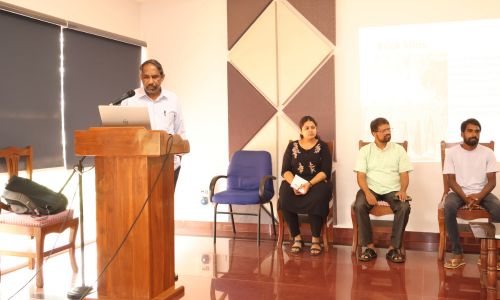
The conference began with a welcome by Fr. Francis Silveira, YaR Coordinator, INP, followed by an inspiring reflection by Fr. Vice Provincial Branzelao Tixeira on the migration journey and resilience of footballer Nico Williams’ family. A major highlight was the release of Fr. Bosco Francis’ research, “The Invisible Workforce: A Comprehensive Study of Migration, Vulnerability, and Discrimination among Brick Kiln, Textile, and Waste-Picking Labour in India.”
Key Themes from Day One
The first day focused on the rights, dignity and protection of workers. Sessions addressed domestic workers, trade unions and collective action, financial inclusion, insurance and social security, labour codes and migrant worker protection.
The discussions highlighted the need to recognise domestic work as work, strengthen collective organisation, improve access to minimum wages and social protection, and address barriers such as documentation, financial exclusion and limited access to welfare schemes.
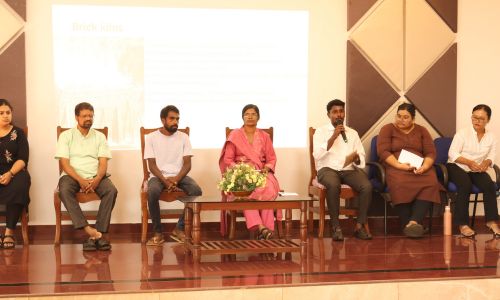
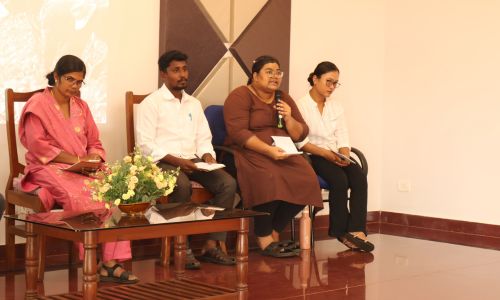
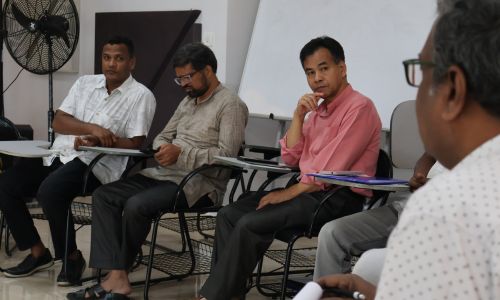
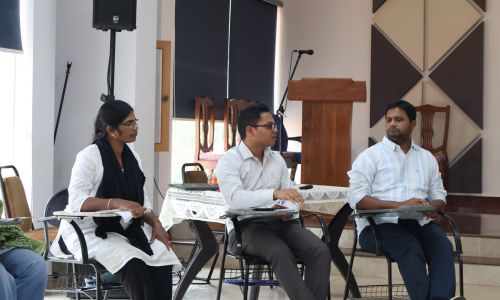
The “Voices of the Invisible Workforce” panel brought together experiences from dark-store, brick kiln, casino, cane, textile and coastal fisheries workers. Common concerns included long working hours, poor living and working conditions, wage-related problems, lack of documentation and social security, exploitation and limited access to basic services. The importance of building trust and engaging directly with workers was strongly emphasised.
A central message of Day One was clear: people must first be recognised as workers and persons with dignity, and then as migrants.
Key Themes from Day Two
Day Two began with a documentary highlighting the realities of migrant communities, followed by reflections from Fr. Clive Telles, Provincial of INP, on migration and the education of migrant children, including the mobile school bus initiative at Don Bosco Odxel Primary School.
A major session by Mr. Amit from IOM explored Climate Change and Migration, examining displacement, changing livelihoods, the impact on women, climate-resilient livelihoods, disaster preparedness, social security, insurance and community resilience.
The afternoon focused on Salesian experiences and good practices. Initiatives shared included migrant desks, helplines, research, legal aid, government networking, skill training, shelters, support for migrant children and women, documentation assistance, health and educational services, and community-based interventions across Bangalore, Mumbai, Kerala, Karnataka, Chennai, Shillong and other locations.
The sharing reinforced the importance of keeping beneficiaries at the centre, involving communities in decision-making, strengthening collaboration across the Salesian network and sharing knowledge and good practices.
From Reflection to Action: The Bosco Bharosa Model
Building on these experiences and the growing need for a coordinated response to migration, the Bosco Bharosa Model offers an integrated approach to accompanying migrants throughout their migration journey—from source to destination.
The model seeks to connect the different dimensions of migrant support through accessible Bharosa Kendras, strengthened networks, referral systems and coordinated services. It places the migrant and the migrant family at the centre, with particular attention to protection, rights, education, health, social security, livelihoods, legal support and empowerment.
The Bosco Bharosa approach represents a shift from isolated interventions towards a connected, people-centred and source-to-destination system of accompaniment, bringing together the experience and resources of the wider Salesian network.
Moving Forward
The conference concluded with a shared commitment to collaboration, knowledge sharing, community participation and stronger collective action in responding to the changing realities of migration and vulnerability.
The two days reaffirmed that migrant workers should not remain invisible. Their dignity, rights, safety, social protection and participation must remain at the heart of every intervention. The conference provided both a space to listen and a renewed impetus to strengthen networks and work together towards a more inclusive and dignified future for migrant communities in India.